

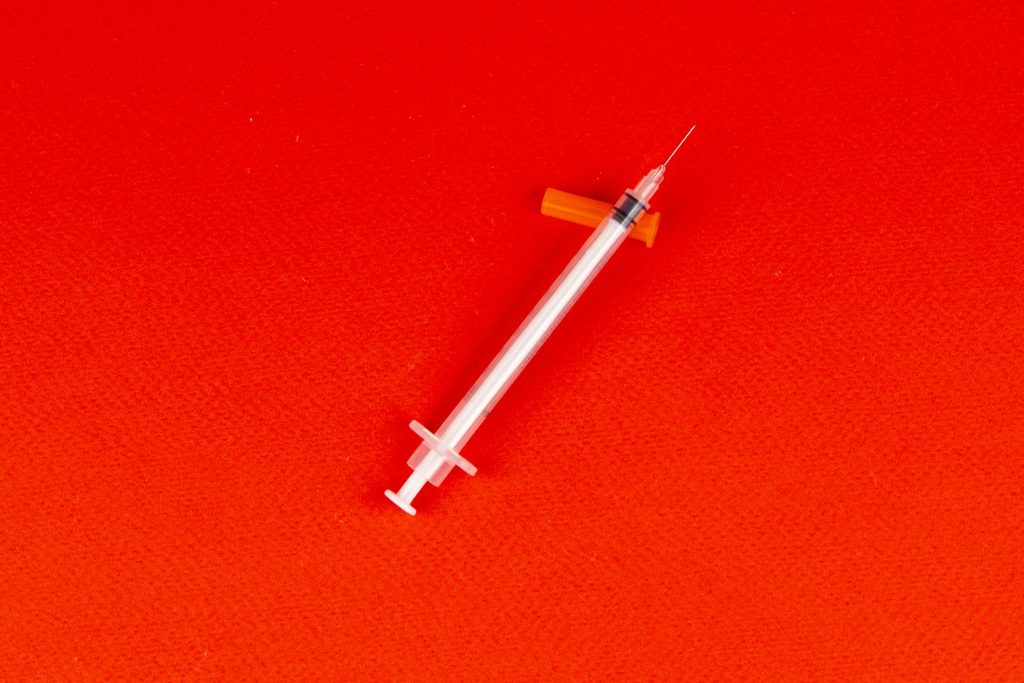
Penile injection is a therapeutic option used in some cases of erectile dysfunction, through the administration of medication directly into the penis with the aim of inducing an erection. It may be considered in patients who do not respond adequately to oral therapy, after individualized medical evaluation.
Erectile dysfunction is a condition that affects men, compromising the ability to maintain an erection rigid enough for sexual intercourse. It may happen for several reasons, including psychological issues, penile fibrosis, chronic diseases, or hormonal changes.
For many men, penile injection may be a therapeutic option when other approaches do not produce satisfactory results.
It is important to understand what penile injection is, in what context it may be used, what its possible effects are, and which aspects should be considered by those evaluating this therapeutic option.
What is penile injection for erectile dysfunction?
Penile injection for erectile dysfunction is a therapeutic approach that uses medication with the purpose of inducing an erection, when clinically indicated.
The medication is administered directly into the corpora cavernosa of the penis, structures involved in the erection mechanism.
This approach is particularly useful for patients who do not respond well to oral medication or have contraindications to oral treatment.
How is penile injection administered?
Intracavernosal medication may be administered by the patient, but the first application must be carried out or supervised by a healthcare professional.
After this initial phase, it is essential that the patient strictly follows the instructions provided by the urologist regarding technique, dosage, and frequency of use.
The patient should administer the injection between 5 and 20 minutes before sexual activity, so that the effect is present at the time of intercourse.
In addition, it is recommended that the patient inject the medication into the lateral side of the base of the penis, avoiding the upper region, where nerves and blood vessels pass, as well as the lower region, where the urethra is located, and also avoiding direct contact with visible veins.
After the full administration of the injection, the man should press the site for 30 seconds to 1 minute.

The frequency of use should be defined by the attending physician, according to the prescribed medication, the dose, the clinical response, and the patient’s risk profile.
Measures aimed at reducing the risk of local complications, including those related to the administration technique, should be explained to the patient at the time of evaluation and individualized clinical instruction.
The suitability of this therapy should be evaluated according to the clinical context, the expected pattern of use, and the patient’s preferences, since not all therapeutic options are equally appropriate for every situation.
Does penile injection hurt?
Discomfort associated with penile injection may vary between patients, depending on individual sensitivity, the technique used, and the clinical context.
Using proper injection technique and choosing the appropriate injection site may help minimize pain.
Side effects of intracavernosal penile injection
A study published in the scientific journal Andrology, conducted with 209 men, evaluated the discontinuation rate and the associated reasons in patients undergoing intracavernosal injection therapy.
- 43.1% due to insufficient response;
- 18.3% due to inconvenience of use;
- 10.7% due to switching to other treatments;
- 6.7% due to loss of libido;
- 5.5% due to adverse events (including pain or prolonged erection, a situation that may increase the risk of requiring treatment for priapism);
- 2.8% due to recovery of spontaneous erections.
Which patients may use penile injection?
Penile injection may be considered in some patients with erectile dysfunction who do not respond adequately to or do not tolerate oral therapy, after individualized clinical evaluation.
Treatment requires caution in patients with a history of priapism or penile curvature.
This therapeutic option should not be used without medical evaluation and prescription. It is up to the physician to define its possible suitability, the medication, the dose, the regimen of use, and the need for follow-up.
How can intracavernosal injection be obtained?
In Portugal, the use of this therapy depends on medical evaluation and prescription, according to the applicable clinical framework.
Alprostadil is available in conventional pharmacies.
Phentolamine, papaverine, atropine, and compounded formulations (mixtures), on the other hand, may only be found in compounding pharmacies and may fall under off-label use, according to INFARMED guidance.
What should be done when penile injection does not improve erectile dysfunction?
When penile injection does not improve erectile dysfunction, it is essential that the patient informs the urologist so that the treatment may be reassessed in an individualized and safe manner.
In the case of insufficient or inadequate response, the physician may reassess the therapeutic strategy, including possible adjustment of the prescribed regimen or consideration of alternatives, according to the specific clinical situation.
Therapeutic response may depend on multiple clinical and contextual factors, so its evaluation should always be individualized.
In cases where, despite these approaches, a satisfactory response is not obtained, the patient may be evaluated as a candidate for placement of a penile implant.
Talk to Dr. Paulo to find out whether penile injection is suitable for your case
If oral medication for erection does not work, physicians may consider other therapeutic options for erectile dysfunction in Portugal. However, this requires clinical evaluation.
Schedule a consultation for a complete and individualized clinical evaluation with urologist Dr. Paulo Egydio – Portuguese Medical Association Registration No. 61183. Receive specialized guidance regarding the most appropriate therapeutic option according to your needs and expectations.