


Proper lubrication and the use of condoms with water-based lubricant are among the precautions that can help make anal sex a lower-risk practice.
Not knowing how to have anal sex can keep men from exploring their sexuality and may turn this type of sexual activity into a taboo.
A study from the National Survey of Sexual Health and Behavior, involving 5,865 people, including 2,936 men and 2,929 women, found that more than 20% of men aged 25 to 49 and women aged 20 to 39 had anal sex in the previous year.
This sexual practice also involves a less frequently discussed aspect: the need for care to help avoid harm to the penis and to male sexual health.
How to have anal sex with lower risk: 7 clinical precautions
Considering that discomfort, injuries or other risks may occur during intercourse, we have gathered 7 general guidelines that may contribute to a more careful sexual practice, respecting limits, consent and individual response.
1. Lubrication for anal sex
Lubrication during anal sex is an important measure, as it may reduce friction and resistance in the anal area, which does not produce natural lubrication.
Using a lubricant for anal sex may contribute to greater comfort and reduced friction. Ideally, it should be used together with a condom.
In general, water-based or silicone-based lubricants are suitable options in this context. Oil-based lubricants should be avoided when using a latex condom, as they may damage it.
2. Slow and controlled movements during anal sex
Precautions to reduce the risk of pain, discomfort or injuries during anal sex include slow and controlled movements, while respecting the limits of the person receiving penetration.
In addition, more controlled movements may reduce the occurrence of impacts and, consequently, decrease the likelihood of injuries to the tunica albuginea, the structure that surrounds the corpora cavernosa.
Repeated microtraumas to the penis may be associated with inflammatory processes that, in some cases, may contribute to structural changes capable of causing penile curvature.
3. Sex toys before intercourse
The use of sex toys may be part of foreplay, provided there is consent, care and communication between partners. In some situations, they may also be used to explore other erogenous areas, such as the prostate.
It is important to note that this resource requires open communication between the couple.
It is also important to reinforce that sex toys should have a flared base and be cleaned before and after use, as a way to reduce the risk of injuries, skin irritation and infections.
4. Condom use during anal sex
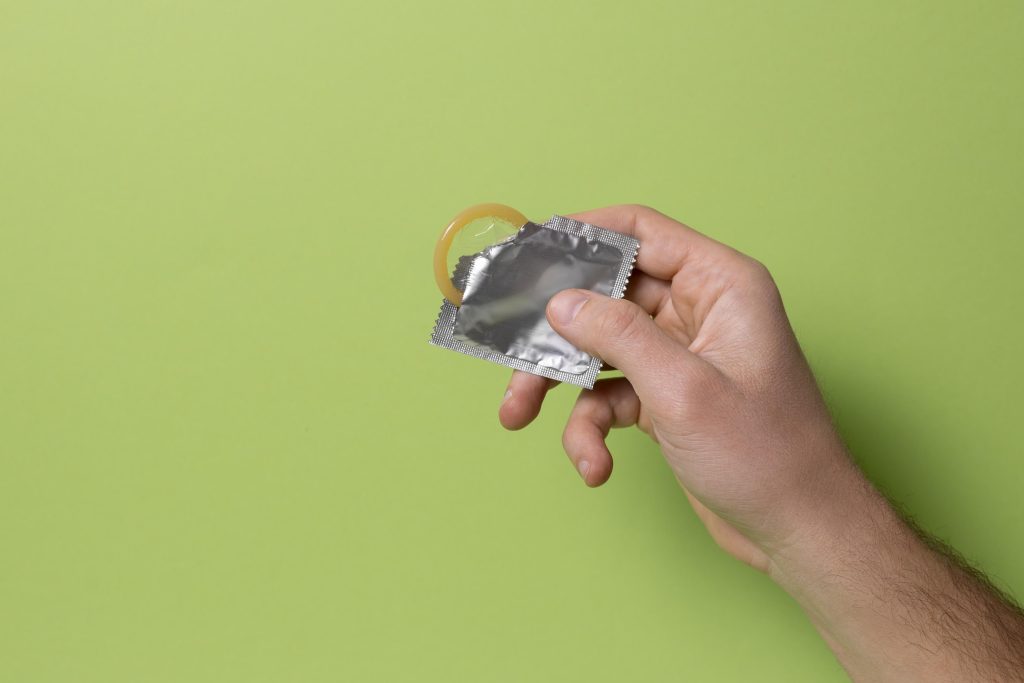
Condom use during anal sex helps reduce the risk of STIs (sexually transmitted infections) and may help decrease friction and discomfort, especially when combined with adequate lubrication.
It is important to note that the condom should be put on at the beginning of penetration and used from start to finish during intercourse.
To support greater comfort during sexual intercourse, a non-oil-based lubricant may be applied over the condom.
5. Avoid switching between anal, oral or vaginal sex without hygiene precautions
It is not recommended to switch from anal sex to oral or vaginal sex without changing the condom and without appropriate hygiene precautions.
The anal region harbours microorganisms that may be transferred to other areas of the body during sexual intercourse, especially when there is no condom change or adequate hygiene.
When switching between practices, it is recommended to change the condom each time and adopt appropriate hygiene precautions in order to reduce the risk of infections.
6. Choosing anal sex positions with greater control
Choosing positions that allow greater control of rhythm and depth may help reduce the risk of pain, discomfort and injuries during anal sex.
The active partner should prioritise positions that allow greater control of depth and rhythm, respecting the other person’s limits and reducing the risk of sudden movements or impacts that may cause injuries.
For this reason, extra attention is important when the person receiving penetration is in the “doggy style” position. This position allows deeper movements, which may increase the risk of impacts and accidents.
7. Consent and communication
As with any sexual practice, anal sex requires consent. Communication between partners should be clear, honest and non-judgemental, allowing limits, discomforts and preferences to be respected.
The conversation should take place without pressure and should cover limits, expectations and concerns, especially if it is the first time one of the partners is having anal sex.
In addition, at the first sign of more intense pain, the partner should stop penetration. Continuing despite persistent pain may increase the risk of injury.
Care before and after anal sex
Attention to hygiene before and after intercourse is a relevant precaution to reduce the risk of irritation and infections.
For men, hygiene before and after anal sex may be carried out during a shower, using water and mild soap, carefully washing the penis. When possible, the glans should be exposed carefully for proper hygiene, without causing pain or irritation.
In addition, it is not recommended to proceed with intercourse if there is previous anal pain, bleeding, fissures, wounds or signs of infection or irritation. After intercourse, some discomfort may occur and tends to be mild and temporary. If symptoms are intense, persist or if there is bleeding, it is prudent to seek medical assessment.
To clarify questions about sexual health, discomfort during intercourse or penile changes, seek guidance from a qualified healthcare professional.