


Penile revascularization is not indicated for everyone, but it may be an alternative for treating erectile dysfunction that affects the sexual quality of life of men with vascular changes.
According to the Portuguese Urological Association, erectile dysfunction affects more than half a million men in Portugal. This condition makes it difficult or impossible for a man to achieve or maintain an erection of adequate quality, especially after the age of 40.
When erectile dysfunction has an organic cause that may be treated, evaluation by a urologist can help define the most appropriate therapeutic approach and, in some cases, improve sexual function.
One of these therapeutic options, viable in certain circumstances, is penile revascularization surgery. This procedure may be considered when erectile dysfunction has a vascular cause, with the aim of improving blood flow and supporting penile rigidity.
Can erectile dysfunction be reversed? Understanding penile revascularization
Erectile dysfunction has different treatment options, and the choice depends on the cause, the severity of the condition, and individual clinical evaluation. In general, three major treatment groups may be considered:
- Medication: may include oral medication prescribed in a clinical setting, when indicated, with the aim of improving erectile response.
- Injection therapy: consists of local administration of medication and may be considered when oral treatment is not sufficient or is not indicated.
- Surgical: reserved for specific cases and may include different approaches, such as penile prosthesis placement or, in selected situations, penile revascularization.
READ MORE | Can Men with a Penile Prosthesis Take Tadalafil?
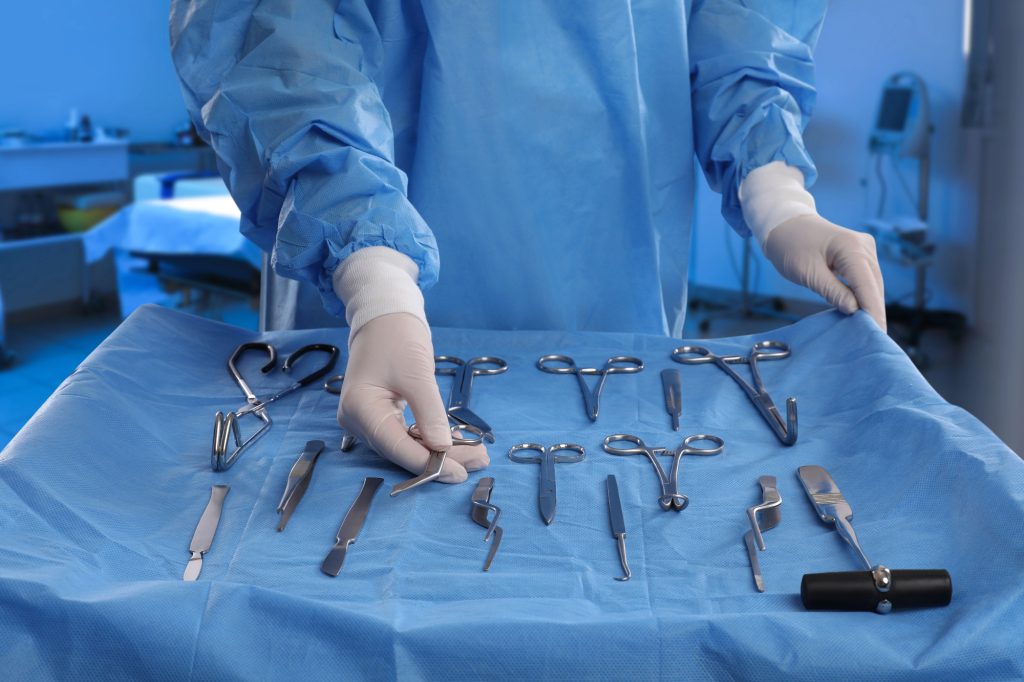
What is penile revascularization?
Penile revascularization is a surgical treatment for selected cases of arteriogenic erectile dysfunction, that is, when there is reduced arterial blood supply to the penis.
With this surgery, the goal is to improve blood circulation to the penis in order to support recovery of erectile function.
According to the European Association of Urology guidelines, this procedure is mainly described for young men with a history of pelvic or perineal trauma. In these selected cases, long-term success rates of around 60 to 70% have been reported.
It is important to note that this surgery for erectile dysfunction is not indicated for all cases of vasculogenic erectile dysfunction.
How is penile revascularization performed?
Penile revascularization is a microsurgical procedure that, in one of the most commonly used techniques, creates an anastomosis (connection) between the inferior epigastric artery (located in the lower abdominal wall) and the dorsal artery of the penis.
With this connection, the aim is to improve arterial blood flow to the penis, which may support erectile function in patients with reduced arterial blood supply.
Which patients are candidates for penile revascularization?
This type of surgery has very restricted indications. In general terms, it is indicated for young men with arteriogenic erectile dysfunction and a history of pelvic or perineal trauma. For example, young patients who suffered severe pelvic or perineal trauma in a traffic accident and, as a consequence, developed erectile dysfunction.
A detailed evaluation of penile anatomy and vascularization with a urologist is essential. Surgical indication depends on confirmation of penile arterial insufficiency through a specific vascular study.
For this surgery to be considered, isolated arterial insufficiency must be present, without veno-occlusive dysfunction or other findings suggesting additional mechanisms of erectile dysfunction, such as penile fibrosis.

What results can be observed after penile revascularization?
The surgery creates a new arterial inflow pathway to the penis with the aim of improving blood flow and, in selected cases, contributing to improved erectile function.
The main factor for a satisfactory outcome is appropriate patient selection. The study Penile revascularization in vasculogenic erectile dysfunction (ED): long-term follow-up, with a 10-year follow-up, suggests that the overall success rate was 48%, with better results in patients younger than 28 years and in non-smokers.
Even so, penile revascularization does not guarantee recovery of erection. Its goal is to increase the likelihood of achieving and maintaining an erection sufficient for sexual activity in very specific cases, after urological evaluation.
If you are experiencing difficulties with erectile function, a specialized urological evaluation is the first step to identifying the cause and defining the most appropriate approach. There are several therapeutic options available, and the correct indication always depends on an individualized analysis of the clinical case. To request an evaluation, contact the clinic.